




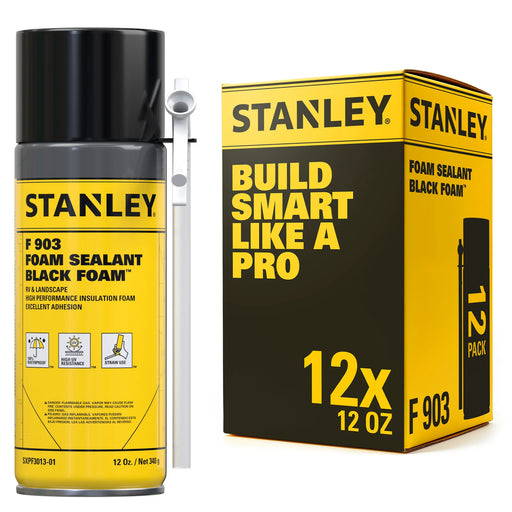


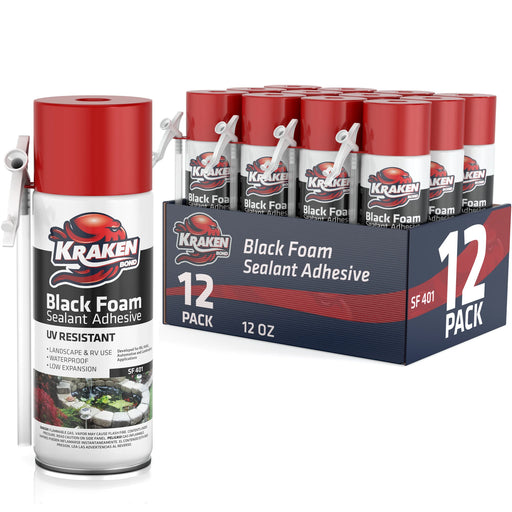

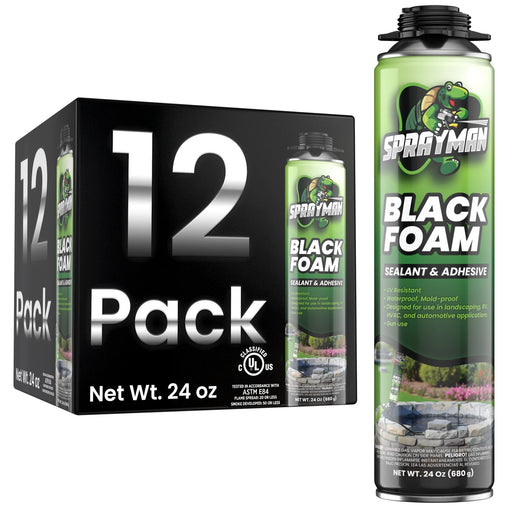
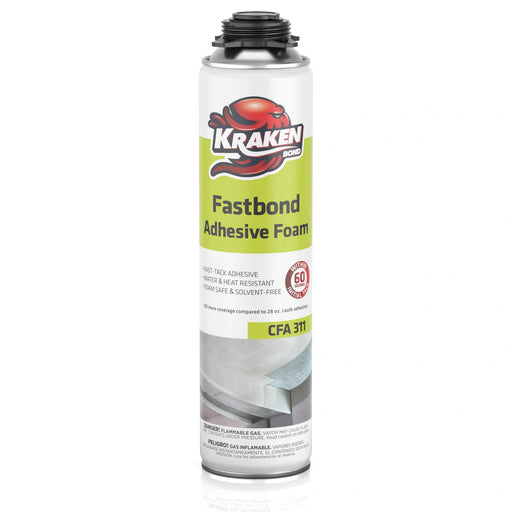




Foam Adhesives are high-performance polyurethane bonding products engineered for fast, strong, and durable adhesion across construction, insulation, flooring, landscaping, masonry, and outdoor applications. These formulas bond to wood, plastic, metal, concrete, brick, foam panels, and other building materials, making them a versatile alternative to traditional construction glues and mechanical fasteners.
From installing insulation boards and subfloor panels to securing stones or bonding construction elements, foam adhesives deliver exceptional coverage, reduced labor time, and long-lasting strength.
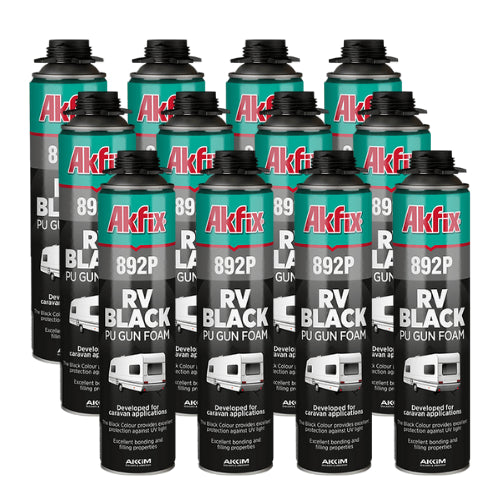
Explore our full range of foam adhesive solutions, including Black Foam (Waterfall & RV Foam) for outdoor landscaping, Adhesive Foam for construction and insulation, and Fence Post Fix for rapid, concrete-free post installations.
Why Use Foam Adhesives?
Foam adhesives offer significant advantages over traditional construction adhesives:
- Fast Curing: Initial grab within minutes.
- High Strength: Strong adhesion to EPS, XPS, foam board, wood, metal, concrete, and masonry.
- Minimal or Controlled Expansion: Ensures precise bonding without pushing materials out of alignment.
- High Coverage: One can replaces multiple cartridges of standard adhesive.
- Lightweight & Efficient: No mixing, no heavy materials, no complicated setup.
- Durable & Weather Resistant: Resists moisture, temperature changes, and outdoor exposure.
Best Uses for Foam Adhesives
Foam adhesives are ideal for:
- Bonding insulation panels (EPS/XPS)
- Installing drywall and interior wall panels
- Subfloor bonding to reduce squeaks and nail pops
- Bonding OSB, plywood, joists, and floor sheathing
- Masonry, stone, brick, and block bonding
- Landscape construction and stone placement
- Wood-to-concrete bonding
- Fast assembly and structural repairs
Foam Adhesive Categories
Our foam adhesive lineup covers a wide range of applications, from outdoor water features to structural construction bonding and rapid post-setting. Explore the subcategories below to find the right solution for your project.
Black Foams (Waterfall & RV Foams)
High-expansion, UV-resistant black foam engineered for ponds, waterfalls, rockwork, and RV insulation.
Explore Black Foams (Waterfall & RV Foam)
Adhesive Foams (Construction & Insulation)
Professional-grade polyurethane foam adhesives designed for insulation boards, drywall, flooring, masonry, and general construction.
Explore Adhesive Foams
Fence Post Fix (Post-Setting Foams)
Fast-setting, two-component expanding foam that replaces concrete for fence posts, mailboxes, garden lights, and more.
Explore Fence Post Fix
How to Apply Foam Adhesives
- Clean surfaces of dust, debris, oil, and rust.
- Bring the can to room temperature (approx. 68°F / 20°C).
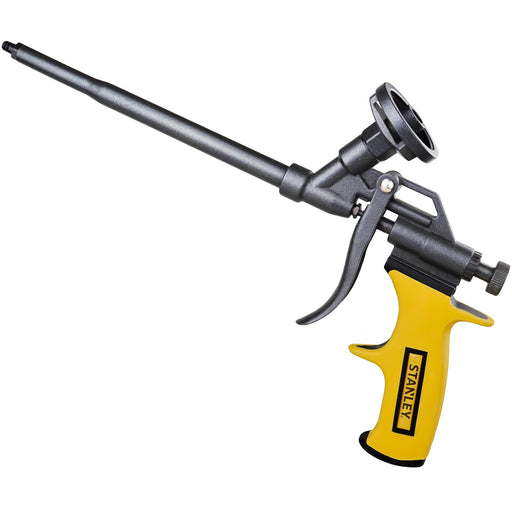
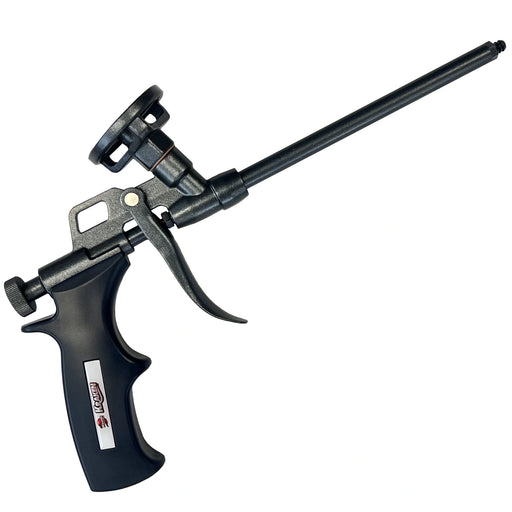
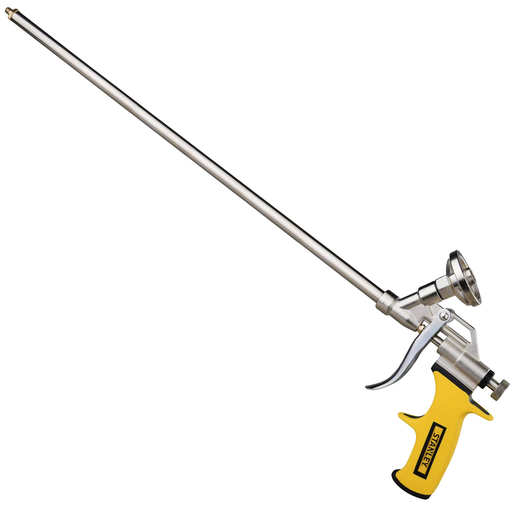
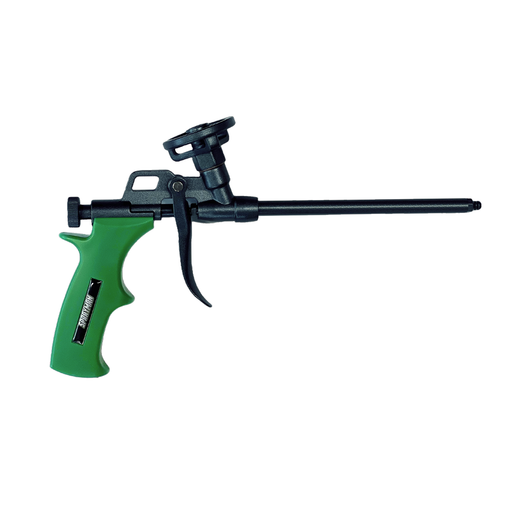
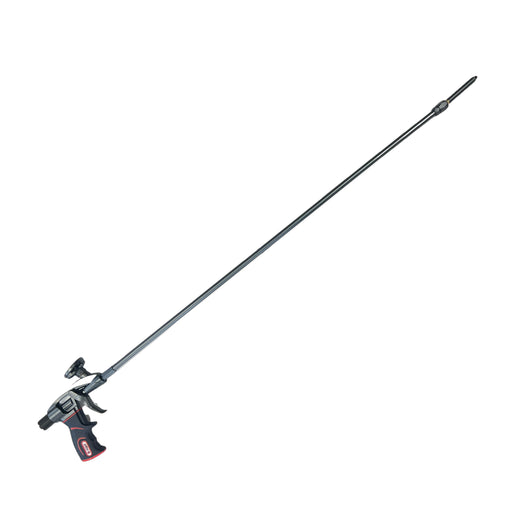
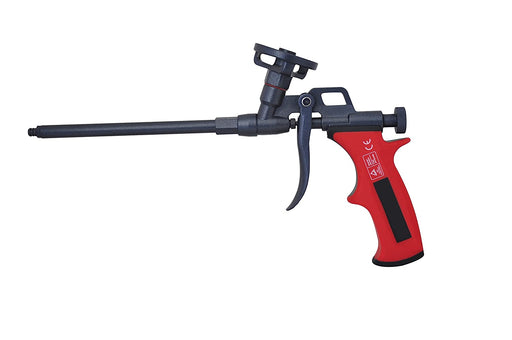
- Shake thoroughly and attach to a foam gun applicator.
- Apply adhesive beads depending on material thickness.
- Position materials immediately and allow curing.
- Avoid disturbing the bond during initial cure (3–10 minutes).
- Full cure usually occurs within 24 hours.
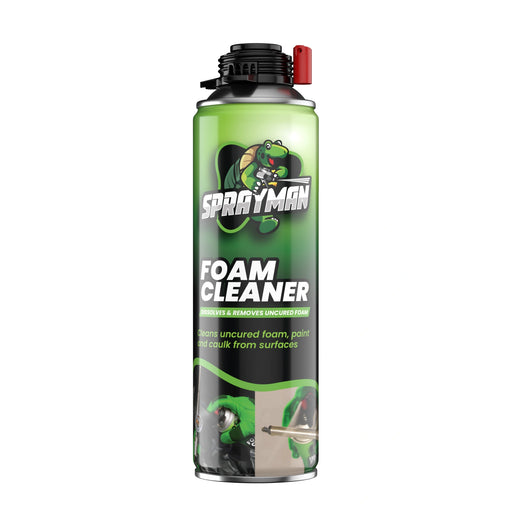
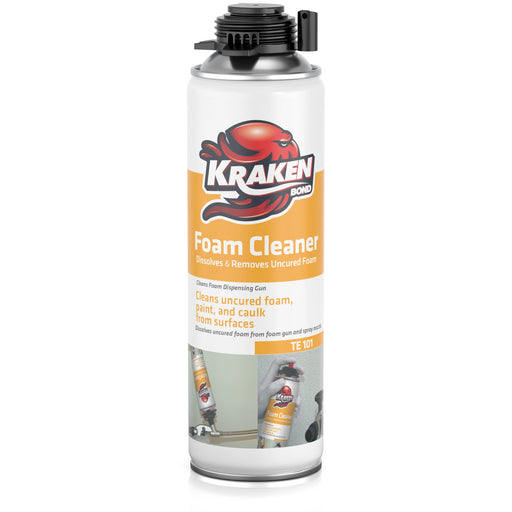
- Clean uncured foam with foam cleaner; remove cured foam mechanically.
Frequently Asked Questions (FAQ)
What is foam adhesive used for?
Foam adhesive is used for bonding insulation boards, drywall, subfloors, masonry, concrete, wood, and other construction materials.
Is foam adhesive strong?
Yes. Polyurethane foam adhesives deliver excellent structural bonding strength comparable to leading construction adhesives.
Can foam adhesive bond plastic or wood?
Yes. Foam adhesives bond wood, PVC, vinyl, plastic, concrete, metal, and foam substrates.
Foam adhesive vs contact cement: which is better?
Foam adhesive offers superior gap filling and multi-surface adhesion. Contact cement excels for flat, non-porous surfaces requiring instant bonding.
What is expanding foam adhesive?
It is a polyurethane adhesive that expands slightly or moderately to fill voids and improve bonding.
How long does foam adhesive take to cure?
Most products become tack-free in 3–10 minutes and fully cure within 24 hours.
How do you remove foam adhesive?
Uncured foam can be removed with foam cleaner or acetone. Cured foam must be removed mechanically.
Is foam adhesive safe?
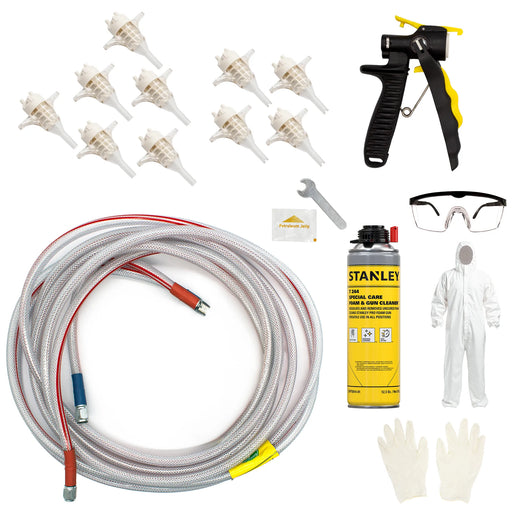
Yes, when used according to the Safety Data Sheet (SDS) with proper ventilation and PPE.